Find shiitake mushroom cultivation machine for oyster, enoki, and morel growing
Source 30 verified listings for the shiitake mushroom cultivation machine, including models for filling, mixing, and sterilizing substrates. Compare specifications like capacity, power, and automation levels from suppliers in Henan, China to find the right equipment for your farm.
Key considerations
Products List





Comprehensive Sourcing Guide
Strategic Sourcing Guide for Shiitake Mushroom Cultivation Machinery
The global demand for specialized agricultural equipment has driven a significant shift toward automated solutions for shiitake mushroom cultivation. For procurement professionals, the "shiitake mushroom cultivation machine" represents a critical investment that bridges the gap between traditional farming methods and industrial-scale production. This guide synthesizes available market data to provide a disciplined framework for evaluating suppliers, verifying technical specifications, and ensuring long-term operational reliability. Buyers must navigate a complex landscape where product attributes vary significantly between manufacturers, requiring a rigorous approach to due diligence before committing to capital expenditure.
Technical Specifications and Functional Capabilities
When evaluating machinery for shiitake cultivation, the primary distinction lies in the specific function within the production chain. The market offers distinct categories of equipment, ranging from substrate preparation to automated bag filling. A comprehensive understanding of these functional differences is essential for aligning procurement with operational needs.
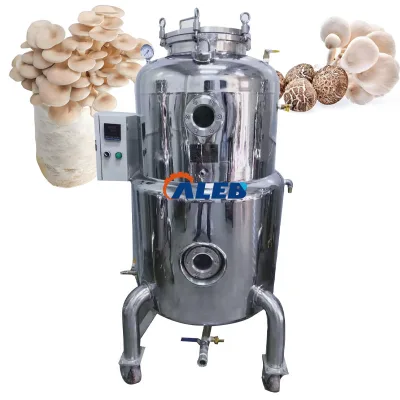
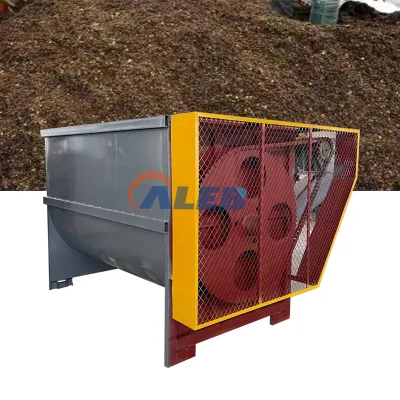
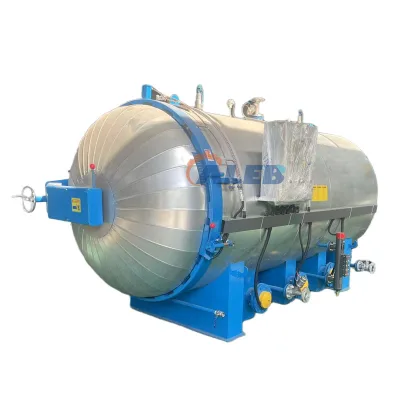
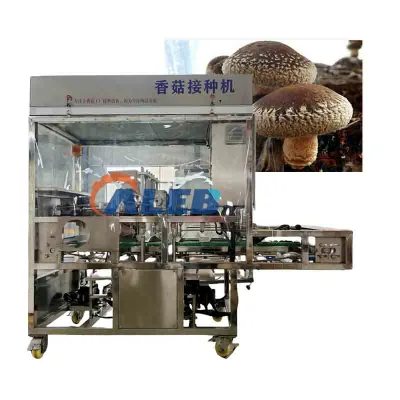
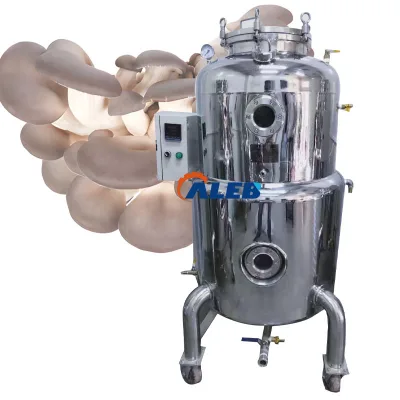
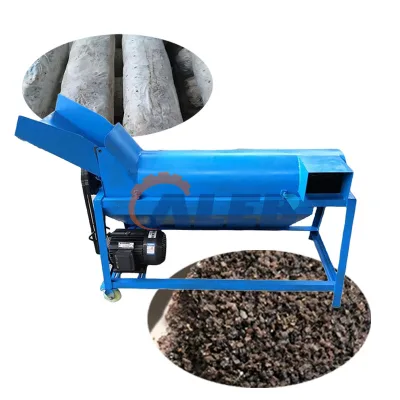
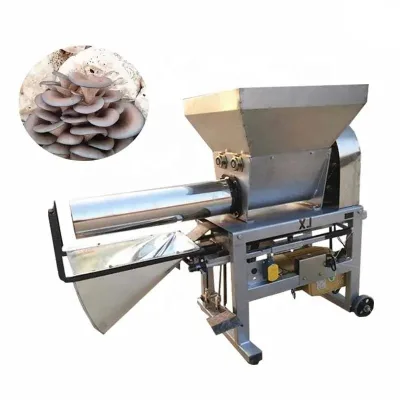
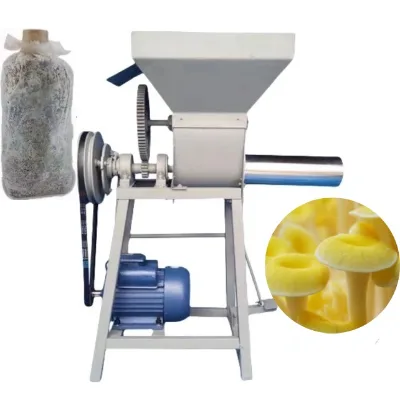
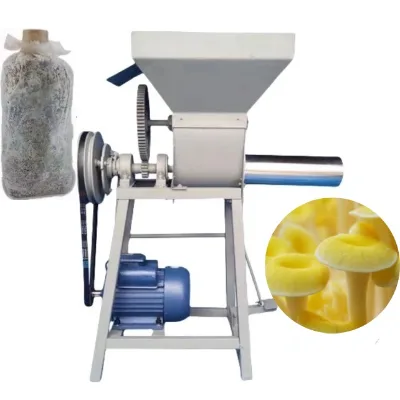
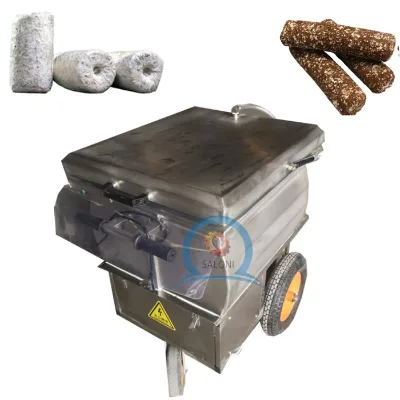
One critical category involves the preparation of the growing medium. Buyers should look for machines explicitly labeled as "mushroom substrates bags sterilizer" or "edible mushroom substrate mixer." These units are designed to handle the raw material processing required before inoculation. Key technical indicators for these mixers include the "double helix flip" mechanism, which ensures uniform mixing of the substrate, and high-capacity throughput rates. The observed capacity for such equipment ranges from 1 to 20 tons per hour, a metric that directly correlates with the scale of the cultivation facility.
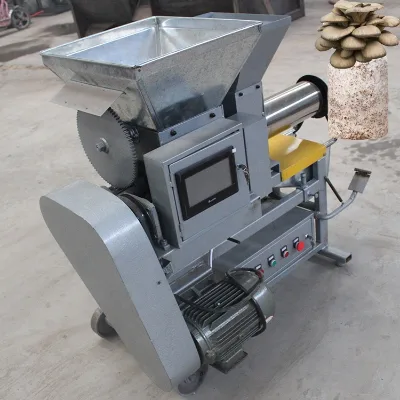
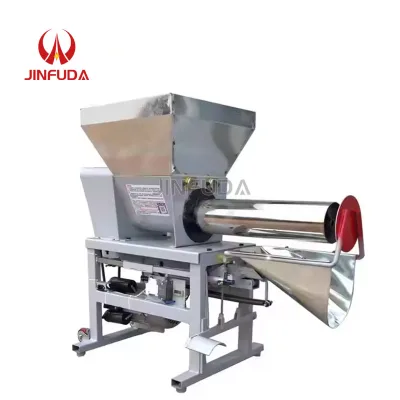
For the actual cultivation phase, the "needle mushroom bag filling machine" is a specialized asset. The technical specifications for these units often highlight a customizable filling height, typically observed in the range of 15 to 40 centimeters. This adjustability is crucial for accommodating different bag sizes and substrate densities required for shiitake varieties. The core components driving these machines generally include a Programmable Logic Controller (PLC), motors, and pumps. The presence of a PLC indicates a level of automation that allows for precise control over the filling process, reducing human error and increasing consistency.
The material composition of the machinery is another vital technical factor. High-quality units are constructed from carbon steel and stainless steel, ensuring durability and resistance to corrosion in humid agricultural environments. The weight of the equipment serves as a proxy for build quality; observed models range from 200 kg for smaller units to 650 kg for heavy-duty mixers. Buyers must verify that the power supply requirements match their facility's infrastructure, with common configurations including 380V or customized power inputs.
Compliance, Certification, and Safety Standards
In the international trade of agricultural machinery, compliance with safety and quality standards is non-negotiable. While specific certification statuses vary by manufacturer, the market data indicates that reputable suppliers often provide products with CE and ISO certifications. These marks are not merely decorative; they signify adherence to international safety and quality management protocols.
Buyers must treat certification claims as observations requiring verification rather than automatic guarantees. The presence of a "machinery test report" is a strong indicator of a supplier's commitment to quality assurance. This document should be reviewed to confirm that the specific model being purchased has undergone rigorous testing for structural integrity and operational safety. The absence of such a report should be considered a red flag, regardless of the supplier's marketing claims.
Furthermore, the "place of origin" is a relevant factor in compliance. The majority of the observed supply chain originates from Henan, China, a region known for its manufacturing base. While this location offers competitive pricing, it necessitates a thorough review of export compliance, including electrical standards and safety regulations relevant to the buyer's destination country. Buyers should explicitly request documentation proving that the machinery meets the specific regulatory requirements of their local market, rather than relying solely on the supplier's general assertions.
Cost Drivers and Procurement Economics
The pricing of shiitake cultivation machinery is influenced by a complex array of factors, including material costs, automation levels, and supply chain logistics. The observed price range in the market is extensive, spanning from 1 USD to 23,000 USD. This vast disparity reflects the difference between simple manual or semi-automatic units and fully automated, high-capacity systems.
Several key drivers influence the final cost. First, the "supply ability" of the manufacturer plays a role; a supplier capable of delivering 500 sets per month may offer economies of scale that smaller workshops cannot match. Second, the complexity of the core components affects pricing. Units equipped with advanced PLCs, engines, bearings, and gears will command a higher price point than those with basic motor and pump configurations.
The "Minimum Order Quantity" (MOQ) is another critical economic variable. The market data shows an MOQ range from 1 set to 5,000 sets. For small-scale farms or pilot projects, finding a supplier with an MOQ of 1 set is essential to manage capital risk. Conversely, large-scale operations may leverage higher volume orders to negotiate better unit economics. Buyers should also consider the "stock" availability; suppliers indicating "yes" for stock can offer immediate delivery, potentially reducing lead time costs, whereas custom-built units may require longer production cycles.
Typical Applications and Operational Versatility
The versatility of shiitake cultivation machines extends beyond the specific cultivation of shiitake mushrooms. The observed product attributes indicate that these machines are designed for a broader range of fungal species, including oyster mushrooms, enoki mushrooms, and morels. This versatility is a significant advantage for buyers looking to diversify their crop portfolio without investing in entirely new equipment lines.
The primary application of these machines is in "mushroom growing farm" environments. Whether for commercial production or large-scale agricultural enterprises, the equipment is designed to handle the specific requirements of fungus cultivation. The "processing types" are categorized as "filling type" or "raw material substrate compost mixer," each serving a distinct stage in the production lifecycle.
For the filling stage, the machine's ability to handle "fungus, mushroom, oyster mushroom etc." ensures that the substrate is prepared correctly for inoculation. For the mixing stage, the "function" is described as "mushroom culture blending," which is critical for ensuring that the nutrient composition is uniform throughout the batch. This uniformity is a key selling point, as inconsistent mixing can lead to uneven growth and reduced yields. The "high productivity" and "high working efficient" attributes observed in the market data suggest that these machines are optimized for continuous operation, minimizing downtime and maximizing output.
Supplier Evaluation and Service Infrastructure
Selecting the right supplier is as critical as selecting the right machine. The evaluation process should focus on the supplier's ability to provide long-term support and maintain operational continuity. A key differentiator in the market is the "after-sales service provided." Reputable suppliers offer "engineers available to service machinery overseas" and "video technical support." These services are vital for troubleshooting complex issues that may arise during operation.
The "after warranty service" is another area of scrutiny. Buyers should verify that the supplier offers "online support," "spare parts," and "field maintenance and repair service" even after the initial warranty period expires. The standard warranty period observed is 1 year, but the availability of support beyond this period is a strong indicator of supplier confidence in their product quality.
The "brand name" associated with the machinery is also a factor, with names like "Daheng" and "Caleb" appearing in the market data. However, buyers should not rely solely on brand recognition. Instead, they should evaluate the specific model's track record, the availability of spare parts at "factory price," and the supplier's reputation for reliability. The "packaging details" also reflect the supplier's attention to detail; standard packaging often includes an "outside wooden case" and "inside waterproof film" to protect the machinery during transit, with customization available based on customer needs.
Quality Control and Long-Term Procurement Considerations
Ensuring the quality of the machinery requires a proactive approach to quality control. Buyers should demand a "machinery test report" before finalizing any purchase. This report serves as objective evidence that the machine has been tested for performance and safety. Additionally, the "model number" should be clearly documented, such as "DHJ80-A" or "FJG-100," to ensure that the specific unit ordered matches the specifications discussed.
Long-term procurement considerations extend beyond the initial purchase price. The "weight" of the machine, ranging from 200 kg to 650 kg, impacts installation logistics and foundation requirements. Buyers must ensure their facility can support the weight and dimensions of the equipment. The "port of dispatch" is typically a "China port," which means buyers must factor in shipping costs and import duties into their total cost of ownership.
Finally, the "use" of the machine, whether for "mushroom powder" or "mushroom growing farm," dictates the maintenance schedule and spare parts inventory. Buyers should establish a relationship with the supplier to ensure a steady supply of spare parts at competitive prices. The "high efficiency" and "easy to operate" keywords suggest that the machines are designed for minimal downtime, but regular maintenance is still required to sustain this performance. By focusing on these long-term factors, buyers can secure a reliable partnership that supports the growth and profitability of their mushroom cultivation operations.
Comparative Analysis of Machine Attributes
To facilitate a clearer decision-making process, the following table summarizes the key attributes observed across different models in the market. This comparison highlights the variations in capacity, weight, and functionality that buyers must consider.
| Attribute Category | Model A (Filling Type) | Model B (Mixing Type) | Model C (Sterilizer Type) |
|---|---|---|---|
| Primary Function | Bag Filling | Substrate Mixing | Sterilization |
| Model Number | DHJ80-A | FJG-100 | MJJ-1000 |
| Weight (kg) | 200 | 650 | 500 |
| Capacity | Customized (15-40cm) | 1-20t/h | Not Specified |
| Core Components | PLC, Motor, Pump | PLC, Engine, Bearing, Gear | PLC, Motor |
| Suitable For | Shiitake, Oyster, Enoki | Oyster, Shiitake, Enoki, Morels | General Mushroom Farm |
| Power Source | Motor Electricity | 380V / Customized | Not Specified |
| Warranty | 1 Year | 1 Year | 1 Year |
| After-Sales | Video Support, Overseas Engineers | Video Support, Online Support | Video Support, Online Support |
This table illustrates that while the core components (PLC, motors) are consistent, the specific application and capacity vary significantly. Buyers must align these attributes with their specific production requirements to avoid purchasing equipment that is either underpowered or overly complex for their needs.
Final Procurement Recommendations
The procurement of shiitake mushroom cultivation machinery requires a balance of technical verification, supplier evaluation, and economic analysis. By adhering to the guidelines outlined in this guide, buyers can mitigate risks and ensure they acquire equipment that meets their operational standards. The focus should remain on verifying certifications, understanding the specific functional capabilities of the machine, and establishing a robust support relationship with the supplier. With the market offering a wide range of options, a disciplined approach to sourcing will yield the best results for any mushroom cultivation enterprise.
FAQs
What core components are included in these machines?
These machines typically include PLCs, motors, and pumps as core components. Some models also feature engines, bearings, and gears for enhanced functionality. This ensures precise automation and reliable operation during the filling or mixing processes required for mushroom cultivation.
Which certifications do the suppliers provide for their equipment?
Reputable suppliers often provide products with CE and ISO certifications. A machinery test report is also frequently available to verify structural integrity and safety. Buyers should request these documents to confirm compliance with international quality and safety standards before purchasing.
How can I verify the production capacity of a supplier?
Suppliers can provide a supply ability of up to 500 sets per month. This metric indicates their capacity to handle large orders. Buyers should verify this capacity against their own volume needs to ensure timely delivery and consistent supply chain performance for their farming operations.
What is the typical warranty period for this machinery?
The standard warranty period observed for this machinery is one year. Beyond the warranty, suppliers often offer video technical support, online assistance, and spare parts at factory prices. Field maintenance and repair services are also available to ensure long-term operational reliability.
Can the filling height be customized for different bag sizes?
Yes, the filling height is customizable and typically ranges from 15 to 40 centimeters. This adjustability allows the machine to accommodate various bag sizes and substrate densities required for different mushroom varieties like shiitake or oyster mushrooms. Customization ensures optimal filling for specific cultivation needs.
What materials are used to construct these machines?
The machines are constructed from carbon steel and stainless steel to ensure durability. These materials provide resistance against corrosion in humid agricultural environments. The weight of the units varies from 200 kg to 650 kg, reflecting the robust build quality required for heavy-duty mixing and filling tasks.
What after-sales services are available for overseas buyers?
Engineers are available to service machinery overseas, and video technical support is provided. Additional services include online support, spare parts supply, and field maintenance and repair. These comprehensive services help buyers troubleshoot issues and maintain equipment efficiency regardless of their geographic location.